
Alpha Lipoic Acid
Alpha Lipoic Acid (ALA) is a multifaceted adjunct to cancer care, supporting multiple areas of health and optimizing cellular function.

HOW IT WORKS
Understanding Alpha Lipoic Acid
What is Alpha Lipoic Acid Therapy?
ALA is a powerful natural antioxidant found in trace amounts in foods like flaxseeds and walnuts. At therapeutic doses, ALA can be administered orally or intravenously and is an effective adjunct to conventional care.
How Alpha Lipoic Acid Therapy Works
ALA has multiple applications in integrative oncology. These include its ability to mitigate free radical damage, improve insulin resistance and cellular glucose metabolism, support detoxification pathways, and enhance apoptosis / cellular arrest.
ALA can be administered orally or intravenously, depending on many individual factors.
Our Approach
Our clinic offers access to discussions on integrative modalities, such as ALA. When appropriate, these therapies may be explored in collaboration with each patient’s care team.
We do not claim ALA is a treatment or cure for any disease. Instead, our role is to educate, inform, and support patients seeking to understand the range of integrative approaches being studied internationally and used in integrative settings to best achieve their health goals.
Benefits
Who It’s For
Alpha Lipoid Acid therapy can be used in many settings.

Chemotherapy-induced Peripheral Neuropathy (CIPN)
Diabetes & Metabolic Dysfunction
Liver Disease
FAQs
Frequently Asked Questions
Many patients are curious about Alpha Lipoid Acid Therapy as an integrative option to their care. Explore the top five most asked questions.
Is Alpha Lipoic Acid (ALA) safe?
When used under medical supervision, ALA therapy is generally well-tolerated with little to no side effects.
What are the possible side effects?
Side effects are rare but can include nausea, digestive upset (when taken orally) and low blood sugar (hypoglycemia).
How should I prepare for an infusion?
ALA can cause hypoglycemia, and it is therefore recommended to consume a meal before your infusion.
How long does an ALA infusion take?
Typical sessions last 60-120 minutes.
Can it be combined with other therapies?
Yes. ALA is often used in integrative settings alongside conventional and integrative oncology therapies. Supervision by a qualified healthcare professional is recommended, as interactions with other therapies may occur.
Book Your Consultation
Ready to Achieve Radiant Health?
Our Naturopathic Doctors are ready to navigate your unique health concerns.
Treatments
Other Therapies You May Benefit From
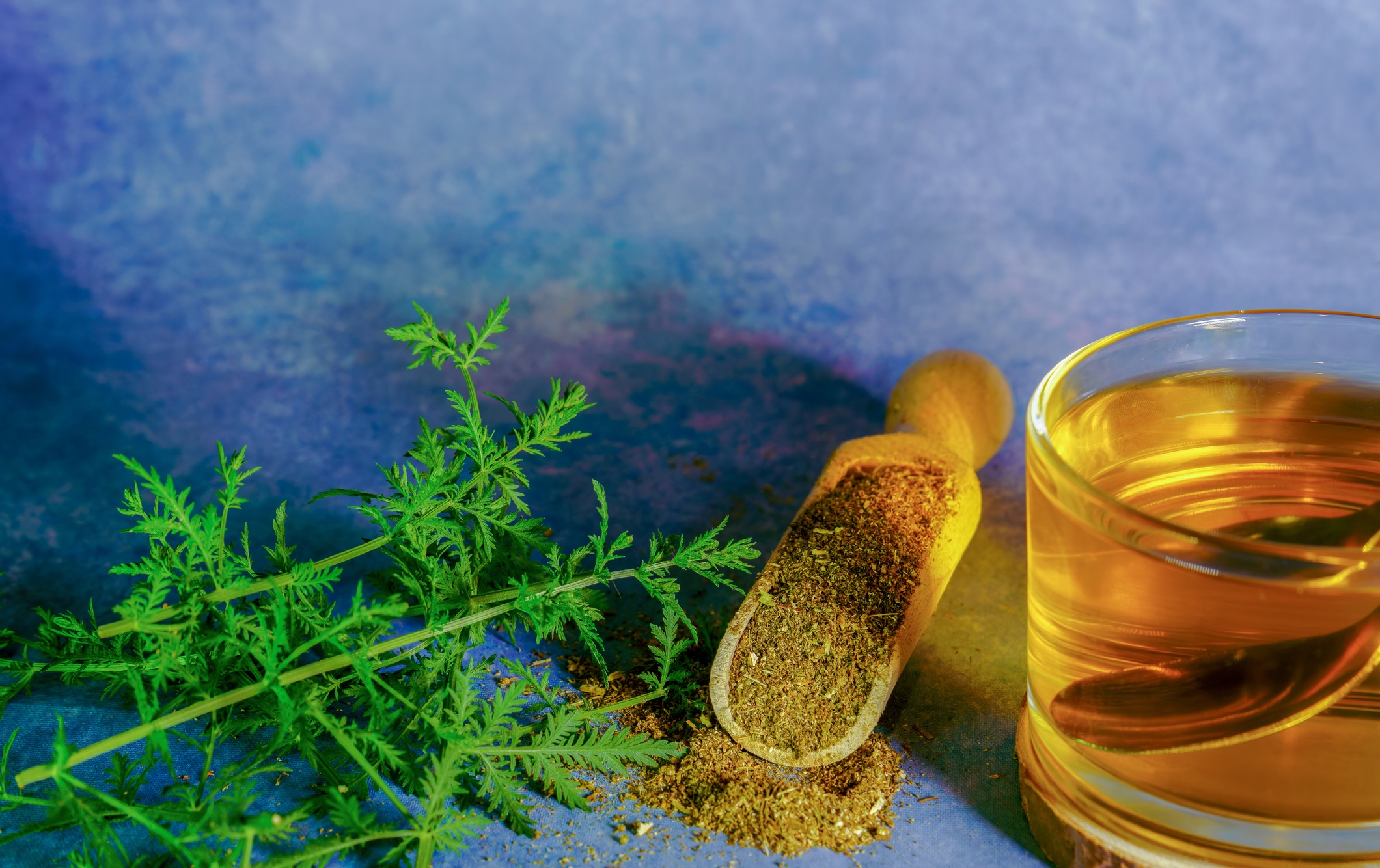
Artesunate
Artesunate is a unique botanical extract used to support patients with cancer ias a component of an Integrative strategy of cancer care.
Dichloroacetate
Dichloroacetate (DCA) is a new Integrative cancer treatment. Often recommended when using a metabolic strategy to fight the cancer.

European Mistletoe
European Mistletoe (Viscum album extract) is an integrative cancer care option that supports patients receiving conventional care and quality of life.